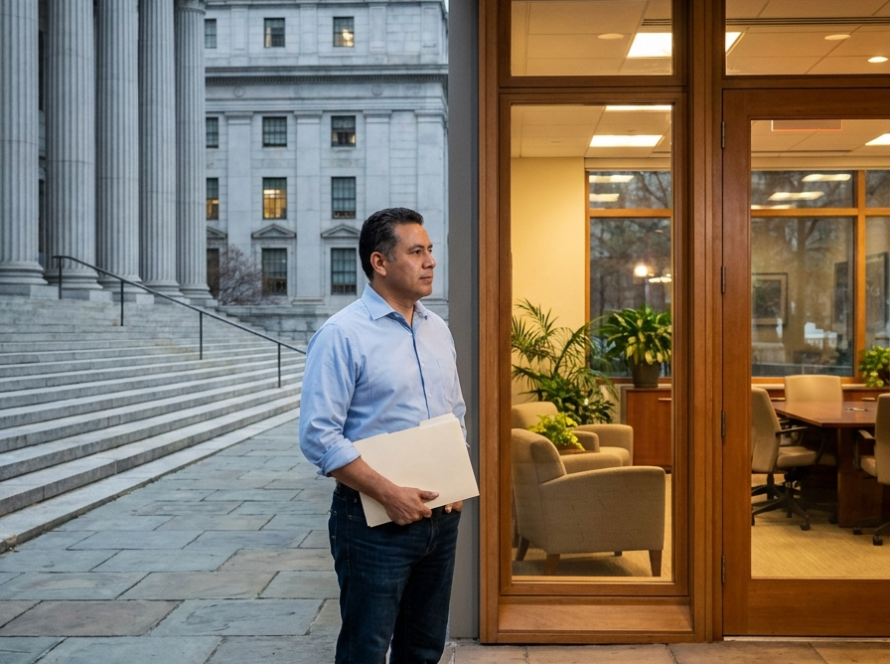
Preparing for mediation can significantly improve the chances of reaching a successful resolution. While mediation is less formal than a court proceeding, having the right information available helps all parties make informed decisions and keeps discussions productive.
Gather Important Documents
Before mediation, collect any documents that relate to the dispute. Depending on the type of case, these may include:
- Contracts or agreements
- Emails, text messages, and written communications
- Financial statements and records
- Invoices, receipts, or payment histories
- Photographs, reports, or other supporting evidence
- Court filings or legal documents, if applicable
Mediation professionals generally recommend organizing documents in advance so key information can be reviewed efficiently during negotiations.


Prepare a Timeline of Events
Creating a simple timeline can help clarify the facts and identify important issues.
Consider documenting:
- Key dates
- Significant conversations
- Actions taken by each party
- Major events that contributed to the dispute
A clear timeline often helps both the mediator and the parties better understand the history of the conflict.
Identify Your Goals
Before mediation begins, take time to think about what outcome you would consider fair and reasonable.
Ask yourself:
- What issues are most important to resolve?
- What compromises am I willing to make?
- Are there non-financial solutions that would help?
- What happens if no agreement is reached?
Many mediation experts recommend entering the process with clear priorities while remaining open to creative solutions.
Understand Your Financial Information
For disputes involving money, property, business matters, or family-related issues, accurate financial information is often essential.
You may need:
- Income documentation
- Bank statements
- Asset and debt information
- Insurance information
- Business records or valuations
Having complete financial information available can help avoid delays and support meaningful settlement discussions.

Be Ready to Discuss Resolution Options
Successful mediation focuses on solving problems rather than assigning blame.
Before your session, consider possible solutions that may satisfy both parties. In many cases, flexibility and preparation are key factors that contribute to a successful outcome.
Preparation Leads to Better Results
The more organized and informed you are before mediation begins, the more productive the process is likely to be. Gathering relevant documents, understanding your goals, and preparing for meaningful discussions can help save time, reduce stress, and increase the likelihood of reaching an agreement.
At SettleACase, we help clients prepare for mediation with confidence so they can focus on finding practical, cost-effective solutions to their disputes.